November 23, 2026
Four signs your car key fob is on its way out
By @ignitioninsight
A modern car key fob does a lot more than lock and unlock doors. It communicates with your vehicle's receiver, often from a surprising distance, and handles everything from remote start to boot release. When that connection starts to fail, the convenience you rely on turns into a daily frustration. The good news is that most fob problems show clear warning signs long before the fob stops working entirely. Knowing what to look for can save you from getting stranded and help you decide whether a simple fix is enough or whether it is time to look into a full key fob replacement.
Intermittent or weak signal range
The most common early sign is a shrinking range. You used to unlock your car from across a parking lot, and now you have to stand right next to the driver's door. Sometimes the fob works from the passenger side but not the driver side, or it only works when you hold it at a particular angle. That inconsistency points to a few possible causes.
A weak battery is the first thing to rule out. Fob batteries are small, flat lithium cells, and they drain faster when the fob is used a lot or when the vehicle has features like passive entry that keep the fob talking to the car even when you are not pressing a button. Swapping the battery is cheap and takes seconds, but if the range does not improve after a fresh battery, the problem may be inside the fob itself. Corrosion on the battery contacts, a crack in the circuit board, or a loose solder joint can all reduce the signal strength. Those issues are not fixable at home and typically call for a professional repair or a replacement fob.
Buttons that stick or need extra pressure
Fob buttons are rubber or silicone membranes with a conductive pad underneath. Over time, dirt, oil from your fingers, and general wear can make the contact surface uneven. You might find that you have to press a button harder than before, or that pressing once sometimes registers as a double press. In worse cases, a button may click but nothing happens, or it may stick in the pressed position and keep sending the same command.
Before you assume the fob is broken, check whether the button is physically stuck. A bit of debris caught under the rubber edge can hold it down. Cleaning around the button with a soft cloth and a tiny amount of rubbing alcohol sometimes frees it. If the button itself is worn through or the conductive pad has peeled off, the membrane is damaged. Replacement fob shells are available, but swapping the internals into a new housing requires care with the circuit board and the transponder chip. Many drivers find it easier to get a professionally programmed fob rather than risk breaking the electronics during a DIY transfer.
The key blade is loose or hard to deploy
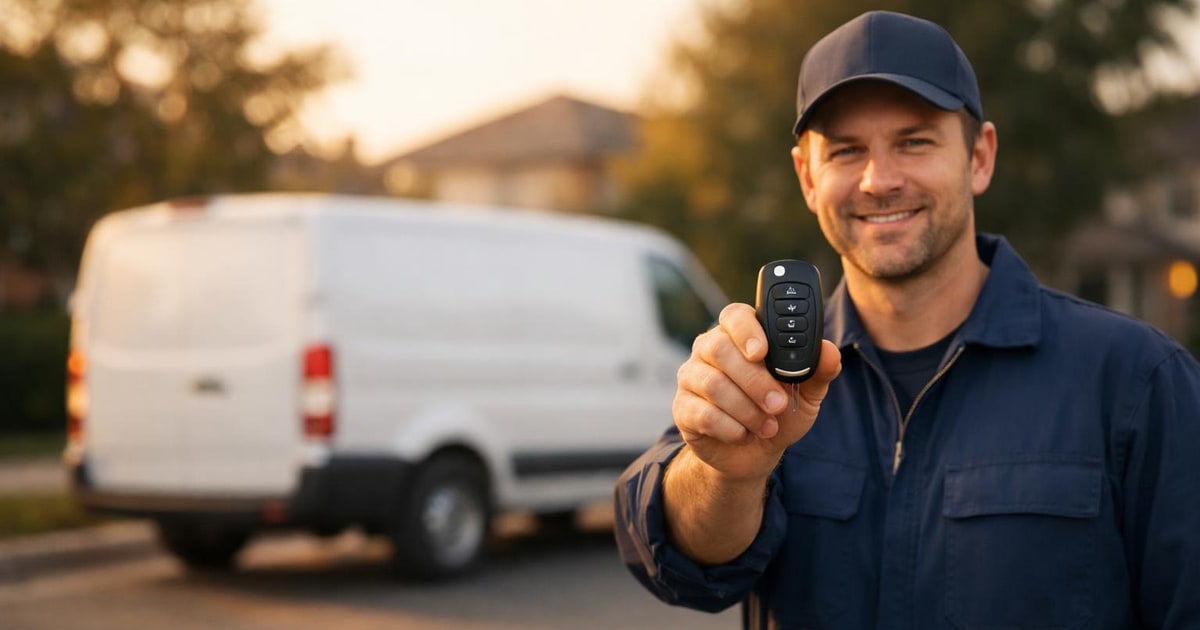
Many fobs have a mechanical key blade hidden inside, meant for situations where the battery is dead or the fob fails electronically. If that blade wobbles, sticks, or will not release, it is a sign that the fob housing or the pivot mechanism is wearing out. A loose blade can also mean the fob has been dropped one too many times, cracking the plastic that holds the blade in place.
A damaged housing does more than affect the blade. It can let moisture and dust reach the circuit board, which leads to intermittent failures and corrosion. If the blade is hard to deploy but the fob still works electronically, you might be able to replace just the shell. If the blade is loose because the internal retaining piece is broken, the entire fob often needs to be replaced. In either case, a locksmith can transfer the transponder and reprogram the new fob to the vehicle.
The car does not respond at all, even with a fresh battery
When the fob stops communicating completely, the cause is usually internal. The circuit board may have a cracked trace, a blown capacitor, or water damage from a wash cycle or a spilled drink. Sometimes the remote frequency drifts out of alignment, so the fob sends the right code but on the wrong channel, and the vehicle receiver cannot hear it. This is less common but possible with older fobs.
At this point, no amount of battery swapping or button cleaning will help. The internal electronics need diagnosis, and many fobs are sealed units that cannot be repaired economically. A key fob replacement is the practical next step. The new fob must be programmed to match your car's receiver, which is why going through a mobile automotive locksmith or a dealer is usually necessary. The vehicle's immobiliser system also has to recognise the new fob's transponder, so programming is not something you can do with a YouTube video and a paperclip on modern cars.
What to do before you buy a new fob
If your fob is showing any of these signs, a few quick checks can help you decide what to do next. Start with the battery, because it is the easiest and cheapest fix. Try a different brand of battery, since some cheap cells have lower voltage than advertised. If the range is still poor, check whether the problem follows the fob or the car. Use your spare fob. If the spare works fine at normal range, the issue is with the first fob, not the vehicle's receiver.
Look at the fob housing for cracks, missing rubber pieces, or a wobbly key blade. If the plastic is damaged, moisture and dirt have probably already gotten inside. That is a strong argument for replacement rather than repair. Also consider the age of the fob. Most key fobs last between three and five years with regular use. If yours is older, the internal components are simply wearing out, and a new fob will give you years of reliable service.
When to call a professional
Some fob problems look like the fob itself when the real issue is in the car. A failing vehicle battery, a blown fuse in the remote receiver circuit, or a faulty body control module can all mimic a dead fob. If both of your fobs stop working at the same time, the car is almost certainly the problem. A mobile automotive locksmith can test the fob's signal strength and the vehicle's receiver to tell you which one needs attention.
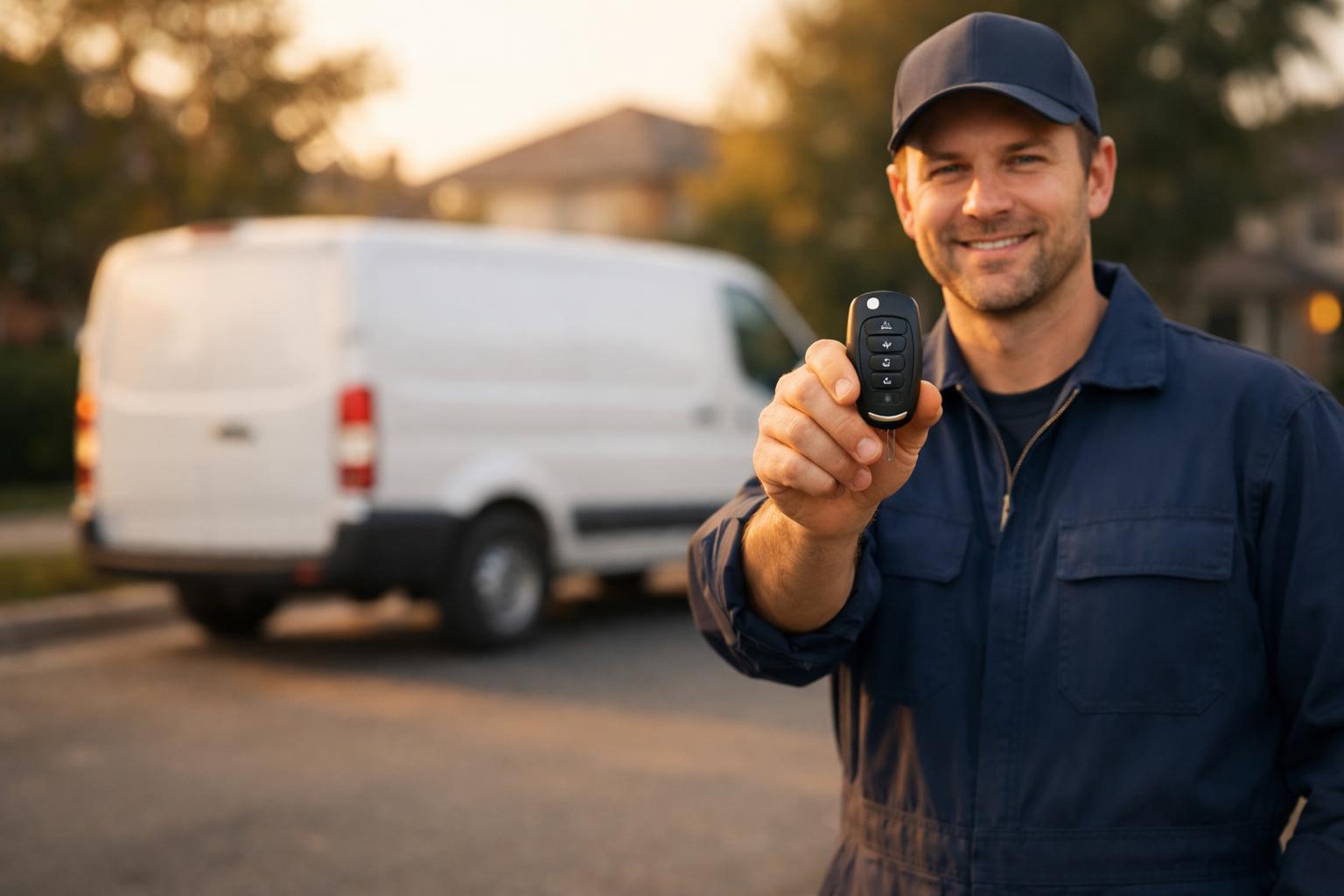
If you need a key fob replacement, the process involves more than just buying a new remote. The replacement fob must be cut to match your mechanical key blade, and the transponder chip must be programmed to the vehicle's immobiliser. A dealer can do this, but a mobile locksmith often charges less and comes to you, which is especially helpful if your only working fob has failed and you are stuck at home or at work. The locksmith can also check whether your existing fob can be repaired instead of replaced, which sometimes saves money if the damage is limited to a broken button or a cracked shell.
Preventive habits that extend fob life
A little care goes a long way. Keep your fob away from water, extreme heat, and heavy objects that could crush it in a pocket or bag. If the fob has a key ring, avoid loading it with too many other keys, because the weight and jangling can stress the fob's internal joints and the key blade pivot. Replace the battery once a year as a preventive measure, even if the fob still seems fine. A low battery is hard on the transmitter and can cause erratic behaviour that is easy to mistake for a dying fob.
If you drop the fob, pick it up and test all the buttons and the signal range right away. A drop can crack a solder joint that will only get worse over time. Catching a problem early means you can often repair the fob rather than replace it. When the fob eventually does wear out, a key fob replacement from a qualified locksmith is a straightforward fix that restores full convenience and peace of mind.
❧